An ultrasound showing fatty liver disease usually means the scan found extra fat building up inside your liver, and it is one of the most common findings on an abdominal scan today. Let us break it down. The liver is the large organ on the right side of your upper tummy that filters your blood, stores energy and helps digestion. Fatty liver, which doctors also call hepatic steatosis, where hepatic means related to the liver and steatosis means a build-up of fat, simply means fat has collected in the liver cells. An ultrasound uses sound waves, the same safe technology used to see a baby in pregnancy, and fat makes the liver look brighter than normal on the scan. That brightness is what the report is describing. The good news is that early fatty liver is very common, often causes no harm at this stage, and can frequently be improved or even reversed with everyday changes. On your report, it is a description of what the scan showed, not a diagnosis.
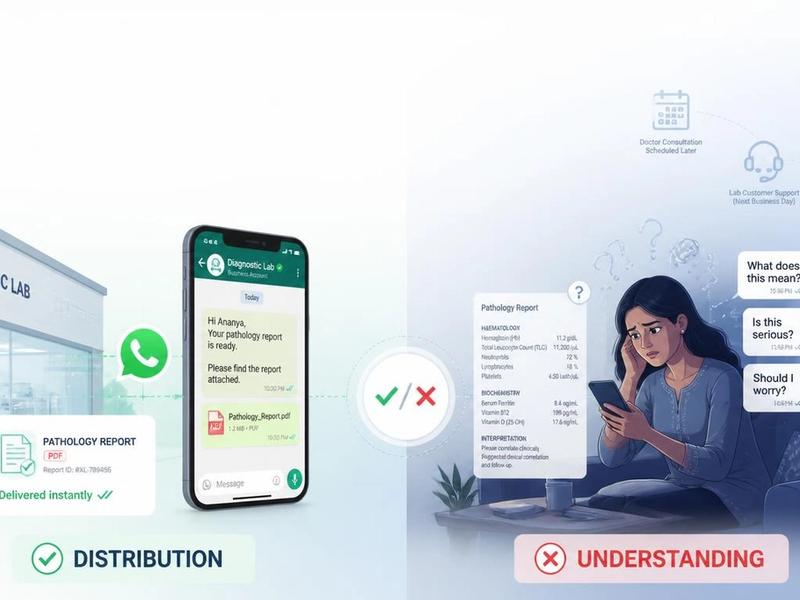
If you are reading this because an ultrasound report just landed on your WhatsApp, maybe yours, maybe your father's or your husband's, and phrases like fatty liver, grade 2 or increased echogenicity are worrying you, take a breath. This page explains what each of those words means, what the grades tell you, and what to ask your doctor. And if the rest of the report still reads like another language, FlexReport can help. Upload it on app.flexreport.ai and get a simplified, plain-language version of the whole thing in minutes.
What does an ultrasound of fatty liver disease actually show?
An ultrasound of fatty liver disease shows a liver that looks brighter than usual because of extra fat inside it. Ultrasound is the most common way fatty liver is first spotted, because it is safe, quick and uses no radiation. In a healthy liver, sound waves pass through fairly evenly and the liver looks a certain shade of grey. When fat collects in the liver cells, it reflects more of those sound waves, so the liver appears brighter or whiter. Radiologists describe this with the phrase increased echogenicity, which just means increased brightness on the scan. They may also mention that the liver looks bright compared with the nearby kidney, which is one of the ways they judge fat. None of this describes the exact amount of fat down to a number. Ultrasound gives a picture and an impression, and that impression is what gets graded (Radiological Society of North America).
Here is the reassuring bit. A report noting fatty liver is extremely common and is not the same as your doctor being alarmed. Radiologists describe what they see, the way a car inspector notes every detail on a service report. A fatty liver is one of the most frequent notes they write, and for most people at an early stage it is a nudge to make some changes, not a crisis. Listing it is their duty. Deciding what it means for you is your doctor's job.
Fatty liver grades: what grade 1, 2 and 3 mean
Fatty liver grades are a simple scale from grade 1 to grade 3 that describes how much fat the ultrasound suggests, based on how bright the liver looks and how clearly other structures can still be seen. Grade 1 is mild, grade 2 is moderate and grade 3 is more marked. It is important to understand that this grade is based on appearance, not a precise measurement of fat, so two scans can occasionally be graded a little differently. A higher grade is a stronger signal to act, but it is not a verdict on your health by itself. Many people with grade 1 or grade 2 fatty liver bring it down with steady lifestyle changes. The grade tells your doctor roughly where you are starting from, and your blood tests and overall health fill in the rest. The plain-language version is below.
| Grade | In plain terms | What it usually means |
|---|---|---|
| Grade 1 (mild) | A little extra fat, liver slightly bright | Very common. Often reversible with lifestyle changes. |
| Grade 2 (moderate) | More fat, liver clearly bright | Worth acting on. Usually still improvable with sustained changes. |
| Grade 3 (severe) | A lot of fat, deeper structures hard to see | Needs closer medical attention and follow-up tests. |
The grade tells your doctor where you are starting from. It is a nudge to act, not a verdict on your health.
Is fatty liver serious? Is it dangerous?
For most people, early fatty liver is not dangerous, and that is genuinely reassuring. Mild fatty liver often causes no symptoms and no harm at the moment it is found, and it can frequently be improved or reversed. The reason doctors take it seriously is not the here and now but the long run. In a minority of people, fat in the liver over many years can lead to inflammation and then scarring, and that is the path worth avoiding. The encouraging part is that catching fatty liver early, which an ultrasound often does, is exactly what gives you the chance to change course before any of that happens. This is why fatty liver is best seen as a helpful early warning rather than bad news. What matters is the full clinical picture: your grade, your liver blood tests, your weight, blood sugar, cholesterol and alcohol habits. Assembling that picture is your doctor's job, not a search engine's. A report line is one puzzle piece. Your doctor holds the whole puzzle.
What symptoms does fatty liver cause?
Fatty liver very often causes no symptoms at all, which is why it is usually found by chance on a scan done for another reason. When symptoms do appear, they tend to be vague, such as a mild discomfort or fullness in the upper right side of the tummy, or a general tiredness. These are easy to miss and are not, on their own, a sign of anything advanced. Because fatty liver is usually silent, the grade on your scan and your blood tests matter more than how you feel. There are, however, a few warning signs that point to the liver being under more strain and that deserve prompt medical attention. The callout below spells them out.
One gentle note for the wives, daughters and sons who often steer a family member's health, because in many Indian homes that is exactly who is reading this. Fatty liver is frequently found in men who feel completely fine and therefore ignore it. If his report mentions fatty liver, use it as an opening to talk about small, doable changes rather than fear. That conversation, more than the scan, is what changes the outcome.
What happens next, and can fatty liver be reversed?
The best news about fatty liver is that in its early grades it can often be reduced or reversed, and the next steps are usually about everyday changes rather than medicines. Your doctor will typically start by confirming the picture with simple liver blood tests, and by checking your blood sugar and cholesterol, since fatty liver often travels with those. From there, the core plan is gradual weight loss if needed, a lighter and more balanced diet, regular physical activity, cutting back on alcohol, and keeping sugar and cholesterol in check. These steady changes, kept up over months, are what shrink the fat. For higher grades or abnormal blood tests, your doctor may add a FibroScan or another scan to check how the liver is coping and may follow up more closely. Follow-up scans are a way of tracking progress, not a sign that something bad has been found (Radiological Society of North America).
A few useful questions to carry into your appointment:
- What grade is my fatty liver, and what does it mean for me?
- Do my liver blood tests look normal?
- What specific diet and activity changes should I start with?
- When should I have a repeat scan or blood test to check progress?
Walking in with your questions written on your phone keeps a five-minute consult from ending before your doubts do.
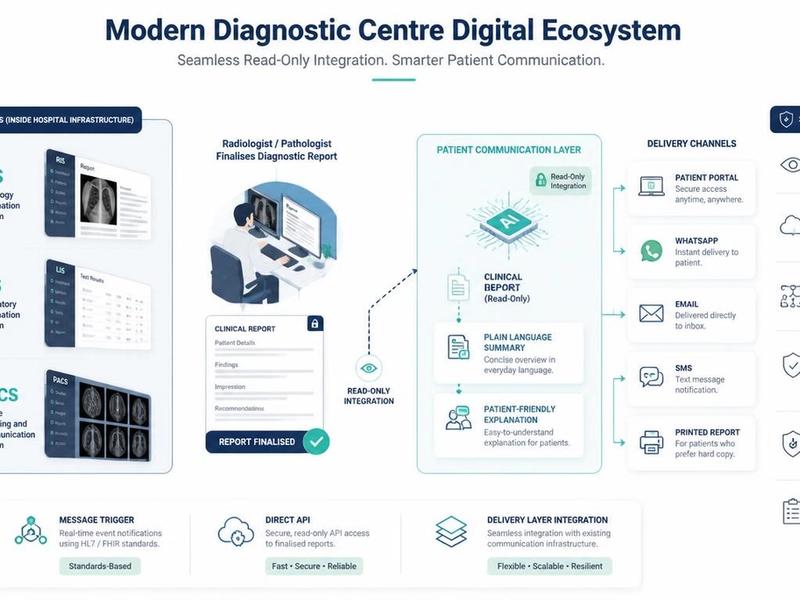
FlexReport is a patient comprehension layer for diagnostic centers, labs, and hospitals. It adds a plain-language second view to clinical reports without altering the clinical report itself. FlexReport operates in India and is built by FlexRad, a unified radiology platform with DICOM and PACS infrastructure across India and the US.