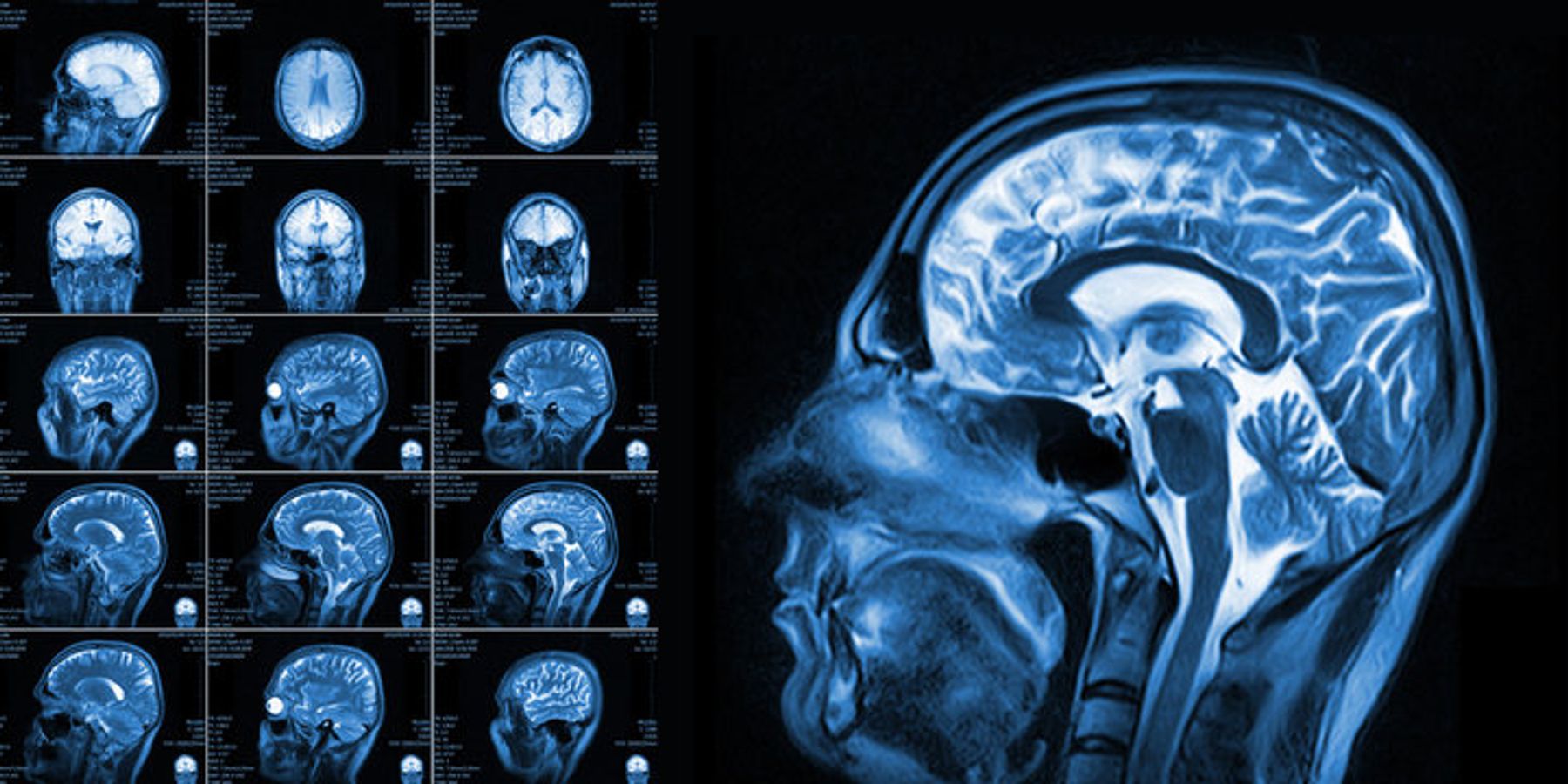
If you have just received your MRI or CT scan results, these are the most important questions to ask your doctor before your follow-up appointment:
1. What exactly was found and is it serious?
2. Do I need to act on this now, or can it wait?
3. What happens next, and who arranges it?
Most patients waste half their appointment just trying to understand the report and run out of time before asking what actually matters.
Below is the complete list! 17 questions organized so you can use every minute of a short follow-up appointment after a scan as effectively as possible.
Quick List: 17 Questions to Ask After an MRI or CT Scan
These are the most important questions to ask your doctor after imaging results especially if your appointment is short and you need clear answers fast. Save or screenshot this before you go in.
- What exactly was found in my MRI or CT scan?
- Is this finding serious or commonly seen in scans?
- Is it related to the symptoms I came in with?
- Do I need further tests or imaging?
- How urgent is this finding?
- What is the most likely diagnosis, and what are you ruling out?
- Should I see a specialist? If so, what kind?
- What symptoms should I monitor at home?
- Do I need to make any lifestyle changes right now?
- When should I follow up, and who arranges it?
- Is this finding new, or could it have been there before?
- Is there any reason I should go to A&E before my next appointment?
- What would need to change for this finding to become urgent?
- If this were your report, what would you do next?
- Are we ruling something out, or confirming something?
- What is the one thing you are most concerned about here?
- What exactly are we watching for, and over what timeframe?
📌 Save or screenshot this list before your appointment. You will not remember everything once the conversation starts.
Not sure what your report says before your appointment?
Most patients spend days Googling scan terms and getting more confused. FlexReport's Engine replaces that with a plain-English breakdown of your specific report every finding explained, every phrase decoded.
It also helps to know how radiology reports are structured before you go in — especially what the impression section means and what clinical correlation advised actually requires you to do. [Link: /mri/impression/meaning] [Link: /radiology-terms/clinical-correlation-advised]
In This Article
- Why your appointment is short — and how to use it
- Questions about understanding your finding (Q1-Q5)
- Questions about urgency (Q6-Q9)
- Questions about next steps (Q10-Q13)
- Questions about what to watch for at home (Q14-Q15)
- Lifestyle questions (Q16-Q17)
- Questions that force clear answers — use these if your doctor is vague
- How to take notes in a short appointment
- FAQs
Why Your Appointment Is Short — And How to Use It Well
Most follow-up appointments are not designed to answer every question — they are designed to move you to the next step. That distinction matters. If you walk in without a clear plan, the appointment moves to the next step without you actually understanding what just happened.
The biggest mistake patients make is assuming they will figure it out during the appointment.
In a typical follow-up appointment after an MRI or CT scan, you have 10 to 15 minutes. Your doctor has already seen the report. But a chunk of that time gets consumed re-explaining basic findings from scratch — because most patients walk in not knowing what they are looking at.
There is something worth understanding before you go in: in many cases, doctors avoid giving definitive answers early — not because they do not know, but because they are actively ruling things out. A doctor who says "I want to monitor this" is following a structured clinical process. Your job is to understand exactly what that process involves — and these questions help you do that.
Radiology reports are written for referring clinicians, not for patients. That is why they are so hard to follow, and why preparing for your follow-up appointment after imaging results makes such a real difference.
Questions About Understanding Your Finding
Before you can ask about urgency or next steps, you need to understand what was actually found. Start here.
What exactly was found in my scan?
Ask your doctor to explain the finding in plain language. If they use a term you do not follow, ask them to say it differently. That is completely reasonable.
Where in my body is this finding?
Reports use anatomical terms that can be confusing: "right lobe," "posterior aspect," "periventricular region." Ask your doctor to point to it on a diagram or explain it simply.
Is this finding new, or could it have been there before?
One of the most important questions you can ask. Some findings have been present for years and are entirely incidental. Others are new. The difference matters enormously for how seriously to take them.
Is this the kind of finding radiologists see commonly?
Some findings sound alarming in a report but are actually very common and almost always benign. Hearing "we see this all the time, it is rarely significant" gives you context the report itself never provides.
Is this finding related to the symptoms I came in with?
Your scan was ordered for a reason. Ask directly whether what was found explains your symptoms, or whether it is unrelated. Radiologists call unrelated findings incidental and knowing which category you are in changes how worried you need to be.
Before your appointment, it helps to understand how radiology reports are structured especially the impression section and phrases like clinical correlation advised. Knowing what these mean turns a confusing report into a readable one.
Questions About Urgency
Once you understand what was found, you need to know how pressing it is. Do not leave without a clear answer to at least one of these.
Does this finding require immediate action, or can it wait?
Ask this directly. Some findings need follow-up within days. Others can wait weeks or months. Your doctor should give you a straight answer.
What is the most likely diagnosis — and what is the worst-case scenario you are ruling out?
This gets your doctor to think out loud. Most findings have a wide range of possible interpretations, and the most likely explanation is usually much less serious than what you have been imagining. Hearing the full range gives you a framework instead of open-ended worry.
Is there any reason I should go to A&E or an emergency room before my next appointment?
If anything in the report raised anxiety for you, ask this directly. The answer is almost always no but hearing it from your doctor is calming in a way nothing else is.
What specific symptoms should prompt me to call you or seek urgent care?
Even if there is nothing urgent right now, you want to know exactly what would change that. Ask for specific symptoms — not vague warnings.
At this point, you should have a clear sense of whether your finding is urgent or not.
If you do not, go back and ask again. This is the single most important thing to leave the appointment with. Everything else on this list is secondary to knowing whether you need to act now.
Questions About What Happens Next
What investigation or test do I need next, if any?
Sometimes a finding requires a follow-up scan. Sometimes a blood test. Sometimes a specialist referral. Sometimes nothing at all. Get specific: what test, how soon, and who orders it.
Do I need to see a specialist? If so, what kind, and who makes the referral?
If a specialist is needed, ask whether your doctor will make the referral or whether you arrange it yourself. Ask roughly how long the wait is. Then follow up if you do not hear within that timeframe.
If we are taking a wait-and-watch approach — what exactly are we watching for?
Wait and watch is a structured medical recommendation, not a brush-off. Ask your doctor to be specific: watching for what, over what timeframe, and what would change the approach. A vague "come back in six months" is not enough.
Is there any chance this finding requires a biopsy or further sampling?
If this has been mentioned or implied in the report, ask about it directly. Even if not, it is worth raising for certain findings in the liver, lungs, or lymph nodes.
Questions About What to Watch for at Home
What specific symptoms should I pay attention to between now and my next appointment?
This is about knowing what normal versus abnormal looks like for your situation over the coming weeks. Ask for a short, concrete list — not a general "let me know if anything changes."
Is there any pain, change, or discomfort that would mean something significant has happened?
Your doctor can give you a short list of red flags. Having that list makes the waiting period far easier — because you know exactly what would and would not be worth a call.
Lifestyle Questions
- Should I change anything about my daily routine, diet, or physical activity right now?
For many findings, the answer will be no. But it is always worth asking — especially for anything involving the spine, joints, heart, or abdomen. Some findings have lifestyle implications your doctor may not raise unless you do.
Is there anything I should avoid — physically or in terms of medications until we know more?
Often nothing needs to change. But in some cases, there are specific things to avoid. Ask directly and you will know.
BONUS SECTION
Questions That Force Clear Answers
Use these if your doctor is vague or your appointment feels rushed
Sometimes a consultation ends and you still do not know where you stand. These four questions are designed to cut through ambiguity and get you a real answer.
If this were your report, what would you do next?
This reframe shifts the dynamic of the conversation. Most doctors will give you a more direct answer when asked this way than when asked "what should I do?"
What is the one thing you are most concerned about here?
Forces your doctor to name their primary concern rather than cycling through possibilities. You get signal, not noise.
What would need to change for this finding to become urgent?
Gives you a specific threshold instead of open-ended anxiety. Now you know exactly what to watch for and exactly when to escalate.
Are we ruling something out here, or are we confirming something?
There is a significant difference between "we want to rule out X" and "we are fairly confident this is X." Ask which one you are in — and if the answer is still vague, ask again.
Most patients walk into their appointment trying to figure things out in real time.
You do not have to.
Upload your report and walk in already knowing:
• what was found
• what it likely means
• what actually matters
How to Take Notes in a Short Appointment
A 10-minute consultation moves fast. Here is a practical system that works.
Before you go in: Write down your three most important questions. Not ten — three. The ones that matter most right now. Everything else is secondary.
During: If you do not understand an answer, say: "Can you say that in a different way?" Most doctors will. Do not nod when you are confused.
Ask for a written summary: In most health systems you can ask your doctor to add a brief note to your record or give you a printed summary. This is entirely reasonable to request.
Bring someone with you if possible: A second person catches things you miss when anxiety is running high. They can take notes while you listen and ask the follow-up questions you might forget.
Record if allowed: In many regions you can record a medical consultation for personal use. Ask first. Most doctors will say yes. It means you can listen back properly instead of trying to hold everything in memory.
Frequently Asked Questions
Is it normal to not understand MRI or CT scan results?
Yes, and it is extremely common. Radiology reports are written for referring clinicians, not for patients. The language is clinical, dense, and full of abbreviations most people have never encountered. Not understanding your report is not a personal failure — it is a structural gap in how healthcare delivers diagnostic information.
Can MRI or CT scan results be wrong?
Radiology is an interpretive discipline, which means the same scan can occasionally be read differently by different radiologists — particularly for ambiguous findings. Outright errors are rare, but second opinions on significant or unclear findings are entirely reasonable to seek, especially before any major treatment decision.
Should I worry about incidental findings on my scan?
Not automatically. Incidental findings are things spotted during your scan that were not the reason the scan was ordered. Many are completely benign, have been present for years, and have no clinical significance. The question to ask your doctor is: "Is this incidental, and how concerned should I be?" That answer usually settles it.
How soon should I follow up after a scan?
It depends entirely on what was found. For urgent findings, your doctor may want to see you within days. For borderline findings, 4 to 12 weeks is common. For clearly benign ones, 6 to 12 months is typical. If your doctor has not given you a specific timeframe, ask: "When exactly should I come back, and who arranges it?"
What does wait and watch actually mean?
Wait and watch is a structured medical recommendation, not a brush-off. It means the finding does not require immediate action but should be monitored over time. The follow-up question to ask: "What are we watching for, using what test, over what timeframe?" That converts a vague instruction into a concrete plan.
Can I ask the radiologist questions directly?
In most healthcare systems, radiologists work behind the scenes and do not see patients directly. Your referring doctor is the right person to speak to. If you feel your questions are not being adequately answered, asking for a specialist referral is a completely reasonable next step.
Go Into Your Appointment Already Knowing
Most patients walk into their follow-up appointment trying to understand their report in real time — from a doctor who has four other patients waiting and eight minutes to give them.
You do not have to be that patient.
FlexReport's Engine reads your radiology or CT scan report and converts every finding into plain English. Each term explained. Each phrase decoded. A question list built from what is actually in your report — not a generic checklist, but questions specific to your findings.
This article is for educational purposes. It is not a substitute for a consultation with your doctor.